Cannabis Consumption Methods: A Beginner-Friendly Guide to Finding Your Perfect Fit
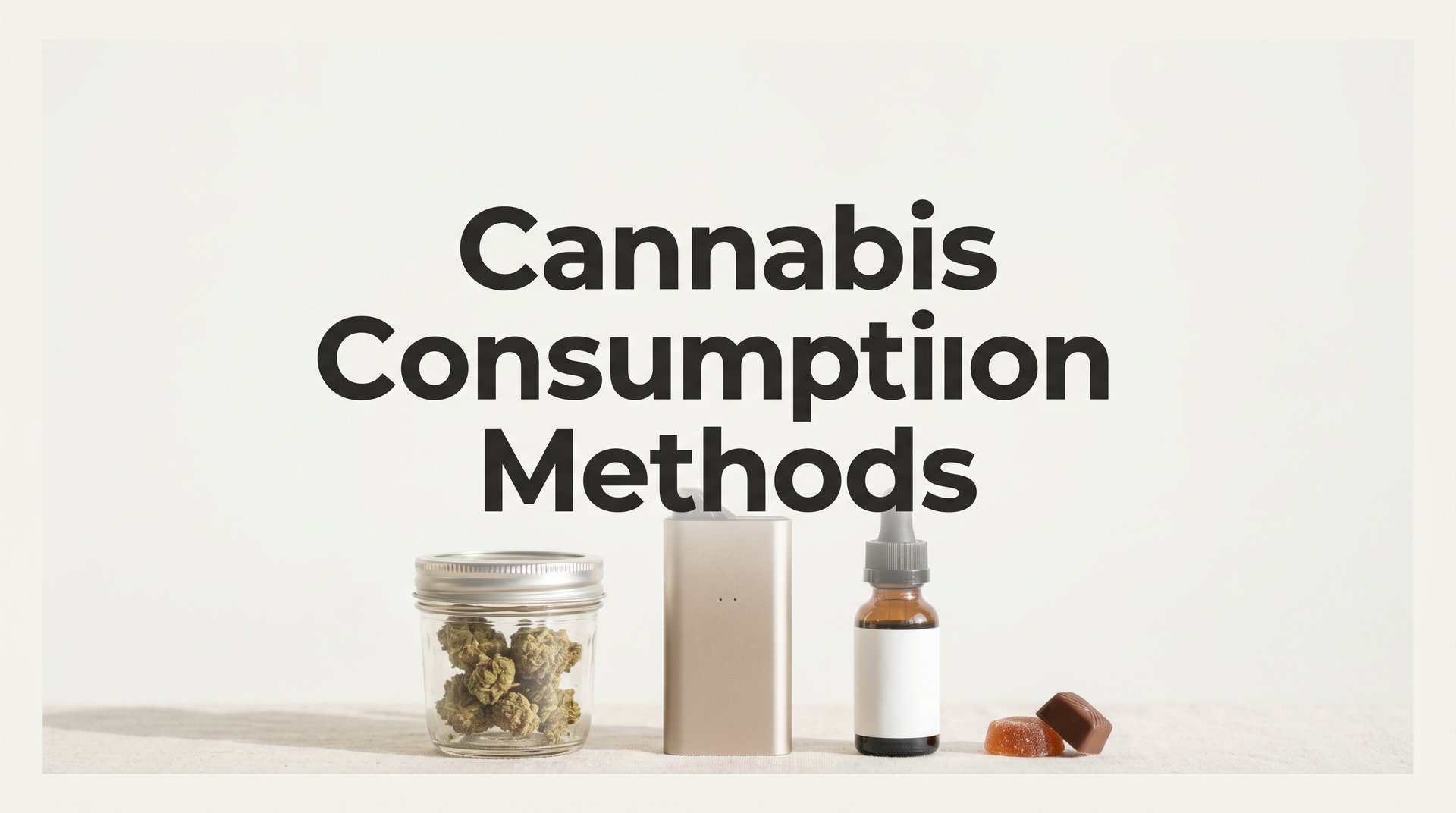
Picture this: you walk into a cannabis dispensary for the first time. The budtender smiles and asks what you're looking for. You glance at the menu and see flower, prerolls, vapes, cartridges, concentrates, edibles, tinctures, topicals... and your brain immediately goes blank. You nod politely and say, "I'm not sure yet," while quietly wondering if you should have Googled this before showing up.
Sound familiar? You're not alone. Walking into a dispensary as a newcomer can feel a little like stepping into a specialty coffee shop where everyone else seems to already know the difference between a pour-over and an Aeropress. The good news is that understanding cannabis consumption methods is genuinely not complicated once someone breaks it down clearly, and that's exactly what this guide is here to do.
There is no single "right" way to consume cannabis. The best method for you depends on your lifestyle, your goals, your comfort level, and honestly, a little experimentation. This guide covers everything from the classic experience of smoking flower to the slow-burn world of edibles, the discreet appeal of vapes, and the more nuanced options like tinctures and topicals. Think of it as the friendly, judgment-free conversation you wish you'd had before walking through those doors. And if you're local to Englishtown, NJ, the team at Bud It Up is always ready to have that conversation in person.
Smoke It, Eat It, Drop It Under Your Tongue: Why the Route Actually Matters
Before diving into specific products, it helps to understand something fundamental: how cannabis enters your body determines almost everything about your experience. There are three main delivery routes, and each one behaves differently once it's in your system.
Inhalation: When you smoke or vape cannabis, the compounds enter your lungs and pass quickly into your bloodstream. This is why the effects tend to come on within minutes. The onset is fast, the experience is relatively predictable in terms of timing, and the effects typically subside within one to three hours for most people.
Ingestion: When you eat or drink cannabis, it travels through your digestive system and gets processed by your liver before reaching your bloodstream. This takes significantly longer, often anywhere from 30 minutes to two hours. The liver also converts THC into a different compound called 11-hydroxy-THC, which many consumers describe as producing a more intense and longer-lasting effect than inhalation. This is important to understand before you eat your first gummy.
Sublingual and topical absorption: Tinctures placed under the tongue absorb through the mucous membranes directly into the bloodstream, bypassing the digestive process. This generally puts the onset time somewhere between inhalation and edibles. Topicals, applied to the skin, work locally and typically don't produce intoxicating effects for most formulations.
Here's a concept worth knowing: bioavailability. In plain terms, it refers to how much of the cannabis you consume actually reaches your bloodstream and produces an effect. Different methods deliver cannabinoids at different rates and efficiencies. This is why two people can consume what looks like the same dose and have completely different experiences. Understanding this isn't about memorizing science; it's about setting realistic expectations so you're not caught off guard.
The route matters. Keep that in mind as we walk through each method. If you're also exploring cannabis for specific wellness goals, our guide on cannabis for anxiety relief is a helpful companion read.
Flower, Prerolls and Pipes: The Time-Honored Starting Point
Smoking cannabis flower is the most traditional method, and for good reason. It's straightforward, the onset is fast, and it gives you a level of control that many consumers genuinely appreciate. When you smoke flower, you feel the effects within minutes, which makes it easier to gauge how you're feeling and decide whether you want more.
There's also something to be said for the ritual. Rolling up, packing a bowl, or sharing a preroll with friends carries a social quality that other methods don't quite replicate. Many experienced consumers find that the act of preparing and smoking is part of the enjoyment, not just a means to an end.
Flower at a regulated New Jersey dispensary like Bud It Up is lab-tested, which is a legal requirement in NJ's regulated market. That means you know what you're getting: the strain, the cannabinoid content, and the terpene profile. This transparency makes it easier to learn what you like and build from there.
Prerolls are essentially flower that's already been rolled for you, ready to light. They're a fantastic starting point for newcomers who haven't invested in any accessories yet, or for anyone who just wants the simplicity of grab-and-go. They're also popular for social settings where passing something around is part of the fun. Prerolls come in a range of sizes and potencies, so it's worth asking your budtender what they'd recommend for your experience level.
Pipes and other accessories open up a world of customization. A simple hand pipe is easy to use and easy to clean. Water pipes and bubblers add filtration that many consumers find smoother on the throat. At a dispensary that carries accessories, you can find something that fits your style and budget without needing to be an expert first.
One practical note for newcomers: smoking flower gives you real-time feedback. Take a small amount, wait a few minutes, and see how you feel before continuing. That feedback loop is one of the reasons many people start here and keep coming back.
Vapes and Cartridges: Discreet, Portable, and Worth Understanding
Vaping has become one of the most popular cannabis consumption methods, and it's easy to see why. Vaporizers work by heating cannabis oil or flower to a temperature that releases vapor without combustion, meaning nothing is actually burning. Many consumers find this noticeably smoother than smoking, and the discreet size of most vape devices makes them easy to use on the go.
There are two main types worth knowing about.
Cartridge-based vapes use pre-filled oil cartridges that attach to a battery. They're compact, relatively odor-free compared to smoking, and very easy to use. Disposable vape pens take this even further, with no charging or cartridge-swapping required. You use it until it's done, then recycle it. These are a popular choice for people who want simplicity and portability above everything else.
Dry herb vaporizers are devices that heat actual cannabis flower rather than oil. They tend to be a bit bulkier and require more maintenance, but many cannabis enthusiasts prefer them because they preserve the full terpene profile of the flower, which can influence the flavor and the overall experience.
Here's something important to understand about vape cartridges specifically: they typically contain concentrated cannabis oil, which means potency can be significantly higher than what you'd experience smoking the same amount of flower. This isn't a reason to avoid them; it's a reason to be thoughtful about dosing, especially if you're newer to cannabis. Start with one or two small inhalations, wait a few minutes, and assess before continuing.
Because the onset with vaping is still relatively fast, similar to smoking, the feedback loop is still in your favor. You don't have to wait two hours to know how you're feeling. That said, the concentrated nature of cartridge oil means the experience can be more intense than expected if you're not paying attention to how much you're consuming.
If you're curious about vapes, the team at Bud It Up can walk you through the options on their menu and help you find something that matches your preferences and experience level.
Edibles: The Slow Burn Worth Understanding Before You Try
Edibles are, without question, the category that generates the most questions and, occasionally, the most "I definitely should have read about this first" moments. They're also genuinely wonderful once you understand how they work.
The core thing to know is this: when you eat or drink cannabis, it doesn't hit you the same way smoking does. Your body has to digest it first, and then your liver processes it before the effects reach your brain. That process takes time, typically anywhere from 30 minutes to two hours, depending on your metabolism, your body chemistry, and whether you've eaten recently. On an empty stomach, effects often come on faster. After a big meal, they may take longer.
This delay is the most common reason newcomers overconsume. They eat a gummy, feel nothing after 45 minutes, decide it's not working, eat another one, and then an hour later they're very much feeling both of them at once. The solution is simple: start low, go slow, and commit to waiting the full two hours before considering a second dose. This isn't a warning lecture; it's just genuinely useful information that makes the experience better.
In New Jersey's regulated market, edibles are labeled with their THC content in milligrams. A widely referenced starting point in the cannabis industry for newcomers is somewhere in the 2.5mg to 5mg THC range. That may sound small, especially if you're used to seeing products with higher numbers, but the effect of edibles is often described as more full-body and longer-lasting than inhalation, partly due to that liver metabolism process converting THC into 11-hydroxy-THC.
The variety of edible formats available is genuinely impressive. Gummies are the most popular, but you'll also find chocolates, hard candies, beverages, and more. Each format absorbs slightly differently, and personal preference plays a big role in what people enjoy.
Practical edible guidance worth keeping:
Start with a low dose: Especially if it's your first time or you're trying a new product. The 2.5mg to 5mg range is a reasonable entry point for most newcomers.
Be patient: Give it the full two hours before deciding it hasn't worked. Seriously.
Don't mix with alcohol: Combining substances can amplify effects in unpredictable ways, especially for newer consumers.
Keep them stored safely: Edibles should be kept out of reach of children and pets, and stored as you would any food product.
Once you understand the timing, edibles become one of the most enjoyable and versatile cannabis consumption methods available.
Tinctures, Topicals and Concentrates: Expanding Your Options
Once you've gotten comfortable with the more common methods, or if you're looking for something specific from the start, there are a few other categories worth knowing about.
Tinctures are liquid cannabis extracts typically administered with a dropper. The most effective way to use them is sublingually, meaning you place the drops under your tongue and hold them there for about 30 to 60 seconds before swallowing. The mucous membranes under the tongue absorb cannabinoids directly into the bloodstream, bypassing the digestive process. This generally means a faster onset than eating an edible, often cited in the range of 15 to 45 minutes, but slower than inhalation. Tinctures are popular with consumers who want more control over their dose, prefer not to inhale anything, or are looking for a discreet and easy-to-use option. They're also easy to add to food or drink, though doing so essentially converts them into an edible with the corresponding slower onset.
Topicals include creams, balms, lotions, and patches infused with cannabis. Most topical formulations are non-intoxicating, meaning they don't produce a psychoactive effect. They're applied directly to the skin and work locally, making them a popular choice for consumers interested in cannabis for physical comfort rather than a head effect. Transdermal patches are a slightly different category: they're designed to deliver cannabinoids through the skin into the bloodstream and may have more systemic effects depending on the formulation.
Concentrates are high-potency cannabis products that come in forms like wax, shatter, live resin, and rosin. They're made by extracting and concentrating the cannabinoids and terpenes from the plant, resulting in products that are significantly more potent than flower. Concentrates are typically consumed using a dab rig or a compatible vaporizer. They're generally better suited for consumers who already have experience with cannabis and understand their tolerance. That said, there's nothing intimidating about asking about them. If you're curious, a knowledgeable budtender can explain the differences and help you decide if they're the right fit for where you are in your cannabis journey in New Jersey.
Finding Your Perfect Fit Without the Guesswork
With all these options on the table, how do you actually decide where to start? A simple three-part framework tends to cut through the noise pretty quickly.
Consider your goals. Are you looking to relax after a long day? Enhance a social experience? Support better sleep? Stay focused and creative? Different methods and products lend themselves to different outcomes. Edibles and tinctures, for example, are often preferred for wind-down experiences because of their longer duration. Inhalation methods offer faster feedback, which some people prefer for social settings or when they want more control over the experience.
Think about your lifestyle. Do you need something discreet that you can use without drawing attention? A vape pen might be a better fit than a pipe. Do you prefer something with no inhalation at all? Edibles, tinctures, and topicals are all smoke-free. Are you mostly consuming at home versus on the go? Your answer changes which formats make the most practical sense.
Be honest about your experience level. If you're brand new to cannabis, starting with a lower-potency flower, a mild preroll, or a low-dose edible gives you room to learn how your body responds without overwhelming yourself. If you've been consuming for a while and want to explore something new, concentrates or higher-potency products might be worth a conversation. For those exploring cannabis specifically to address stress or mood, our article on what to know before trying cannabis for anxiety offers useful context.
This is exactly where a good budtender earns their reputation. At Bud It Up, the team asks the right questions and genuinely listens to the answers. They're not trying to upsell you on the most expensive product; they're trying to match the right product to the right person. That kind of personalized guidance is something you simply can't get from a website menu alone.
One more thing worth remembering: your preferences will evolve. The method you start with doesn't have to be the method you stick with forever. Many consumers who begin with prerolls eventually discover they love tinctures. People who swear by edibles sometimes fall in love with a particular vape cartridge. Experimentation, done thoughtfully and at your own pace, is part of the journey.
Your Next Step Starts with One Good Conversation
Cannabis consumption is personal. There is no universal best method, no single product that works perfectly for every person, and no judgment attached to wherever you are in your journey. Whether you're walking in for the very first time or you've been consuming for years and want to branch out, the right approach is the one that fits your life.
What matters most is having access to good information and people you actually trust to give it to you straight. That's what the team at Bud It Up is here for. As a locally, women-, and minority-owned independent dispensary in Englishtown, NJ, Bud It Up was built around the idea that every customer deserves a welcoming, knowledgeable experience without the intimidation. The menu is carefully curated, the products are lab-tested as required by New Jersey's regulated market, and the team genuinely loves helping people find their perfect fit.
So whether you want to explore flower for the first time, figure out which edible dose makes sense for you, or just have a real conversation about what's on the menu, stop by. Ask questions. There are no bad ones.
Ready to explore? Learn more about our services and see what Bud It Up has waiting for you.